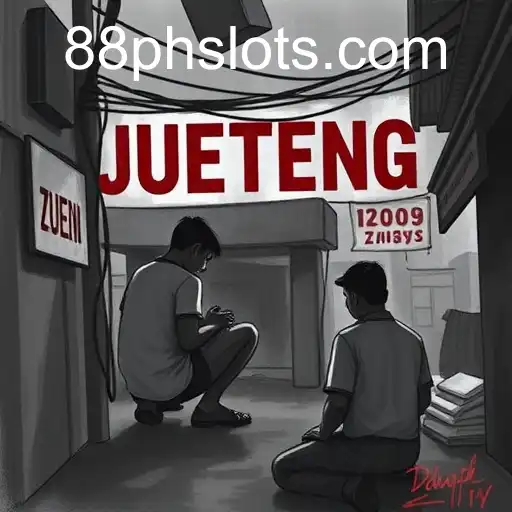
Understanding Jueteng: An In-Depth Exploration
Jueteng is a term that may not ring a bell for everyone outside the Philippines, yet it resonates deeply within the country's cultural and social fabric. It is an illicit numbers game that has managed to captivate the imagination and participation of millions, despite its illegal status. This article delves into the nuances of Jueteng, focusing on its workings, historical context, and societal implications while weaving in references to the mystery number "88ph."
The Origins of Jueteng
Jueteng traces its origins to colonial times when Spanish friars introduced the game as part of their fund-raising activities for church building and other religious ventures. Originally a pastime for the elites, it quickly permeated other strata of society, becoming a staple activity among the locals. Over the centuries, the game has evolved significantly, intertwining with notions of luck, cultural identity, and economic survival.
The Mechanics of Jueteng
At its core, Jueteng involves a simple yet gripping draw of numbers. Players select numbers, usually between 1 and 37, and place their bets. The winning numbers are drawn twice daily, providing double the suspense and opportunity. The draw's result is traditionally managed by "cobradores" who collect bets and "kubradors" who relay winning numbers to participants.
"88ph," an intriguing term, often circles in Jueteng discourse. It is speculated to be a numerical representation or lucky charm integrated into betting strategies by some players. This number emerges occasionally in conversations and anecdotes, suggesting its significance, whether in mythos or in practical betting contexts within the Jueteng universe.
Jueteng in the Modern Day
Despite its illegality, Jueteng remains deeply embedded within many Filipino communities. It operates outside the boundaries of law, largely unregulated and free from tax obligations, which challenges governmental authority and draws a complicated line between enforcement and cultural preservation. The clandestine nature of Jueteng often sees it contributing to local economies in ways both underappreciated and criticized by outsiders.
The cultural resonance with Jueteng largely persists because of the stark economic realities facing many Filipinos. In regions where poverty is prevalent, Jueteng functions as a form of financial hope—even though the odds of striking it rich are minimal. The dreams and aspirations tied to winning the daily draws often overshadow the more rational understanding of risk and reward.
The Challenges of Eradication
Numerous administrations have pledged to eliminate Jueteng, yet the illicit game shows resilience against regulatory actions. Corruption within law enforcement and political circles has often undermined earnest attempts to curb its prevalence. Connections between Jueteng operations and local officials, sometimes acting as patrons, create a cycle that supports and perpetuates the game’s operations.
Socioculturally, the clandestine excitement that Jueteng offers contributes to its survival. It acts as both a distraction and a hopeful lottery, providing a communal experience that many legal pastimes fail to offer. The participation of community celebrities and public figures, whether overtly or covertly, further cements Jueteng’s status and perceived legitimacy.
The Role of Media and Cultural Narratives
Media representations of Jueteng have also played roles in its persistence. Films, television dramas, and even songs often glamorize or satirize the game, embedding it deeper into cultural narratives and public consciousness. These portrayals highlight not just the allure but also the moral and ethical dilemmas surrounding the game, fostering conversations about its place in society.
Moreover, Jueteng finds its way into political narratives, often serving as a litmus test for politicians’ sincerity and capability to fight corruption and illegal activities. However, promises to dismantle Jueteng are frequently perceived as mere rhetoric employed during election campaigns.
Economic Implications of Jueteng
Jueteng is not merely a cultural phenomenon; it holds significant economic implications. Financially disadvantaged communities often see it as a makeshift economic ecosystem providing employment to numerous individuals, from bet collectors to financial backers dubbed "maintainers." Although informal, the game represents a makeshift welfare system when formal structures fall short.
The term "88ph" sometimes enters economic discussions about Jueteng, potentially as a coded reference to bet amounts or payout ratios, further entwining the complexities of local slang and economy. Despite its illegal nature, Jueteng's contributions to household incomes in many regions leave authorities grappling with the implications of immediate shutdowns.
The Future of Jueteng
Discussions around Jueteng frequently circle back to debates on legalization versus eradication. Proposals suggesting regulation and taxation echo arguments made by advocates for legalizing various illicit activities worldwide. The transition from illegal enterprise to structured system, however, confronts deep-rooted perceptions and requires significant shifts in policy and public opinion.
Nonetheless, the durability of Jueteng stands as a testament not only to the game's cultural entrenchment but also to broader societal questions about governance, compliance, and the people's response to systemic inequities. Whether through legitimate reform or continued underground operations, Jueteng seems poised to remain a fixture of Philippine life as society continues to negotiate its complex relationship with tradition and change.
The narrative of Jueteng, shrouded in enigma and opportunity, notably represented by symbolic codes like "88ph," provides intriguing insights into the dynamics between law, society, and cultural phenomena. As with many social issues, a nuanced understanding often reveals complexities beyond the binary choices of legal versus illegal, or right versus wrong, underscoring the ongoing challenge of addressing Jueteng's multifaceted presence in the Philippines.